


Description
Product Overview
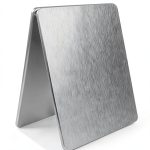
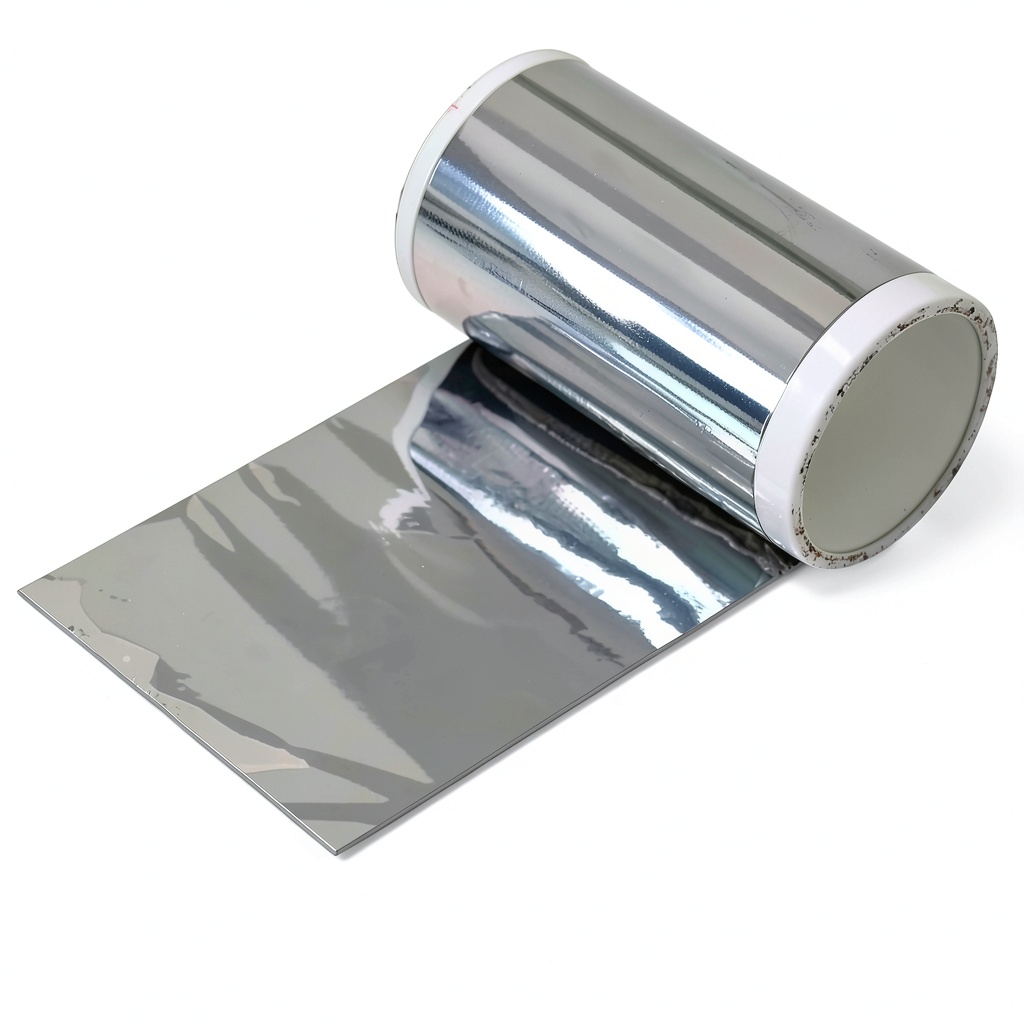
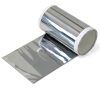
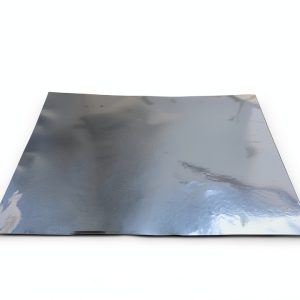
Research Laboratory High‑Purity Nickel Foil is engineered to deliver a nickel content of 99.99 percent, providing a virtually impurity‑free metal surface that is essential for high‑performance electronic and scientific applications. The foil is produced from refined nickel ingots using a controlled rolling process that preserves the material’s crystalline structure, resulting in a dense, uniform sheet with a bright silver‑white appearance. This level of purity minimizes the presence of trace elements that could interfere with conductivity, corrosion resistance, or magnetic properties, making the foil a reliable foundation for precision devices.
The foil is supplied in a standard size of 0.08 × 150 × 1000 mm, a thickness that balances flexibility with mechanical strength. Tensile strength measurements range from 660 to 1100 N/mm², while elongation values of 1 % to 10 % allow the material to withstand modest deformation without cracking. Surface roughness is kept below 0.2 µm, delivering a smooth finish that enhances solderability and heat dissipation. Electrical resistivity is measured at 0.076 Ω·mm²/m, and the temperature coefficient of resistance is approximately 0.006 %/°C, ensuring stable performance across a wide temperature range.
Manufacturing follows ISO 9001 quality‑management protocols and includes multiple inspection stages such as chemical analysis, dimensional verification, and surface integrity testing. Each batch is assigned a unique traceability code that links the foil back to its raw material lot, furnace parameters, and rolling schedule. This rigorous documentation enables customers to meet regulatory requirements for aerospace, automotive, and medical‑device certifications. The product is also compliant with REACH and RoHS directives, confirming that hazardous substances are below the limits defined by European Union standards.
The versatility of high‑purity nickel foil makes it suitable for a broad spectrum of uses, from thin‑film resistors and battery electrodes to photonic mirrors and catalytic substrates. Its excellent thermal conductivity facilitates rapid heat removal in power‑electronics modules, while the low magnetic permeability supports applications in magnetic shielding and inductive sensing. Because the foil can be easily cut, punched, or laser‑etched, manufacturers can integrate it into custom designs without requiring extensive secondary processing. The combination of chemical stability, mechanical resilience, and electrical performance positions this material as a preferred choice for research and production environments that demand consistency and reliability.
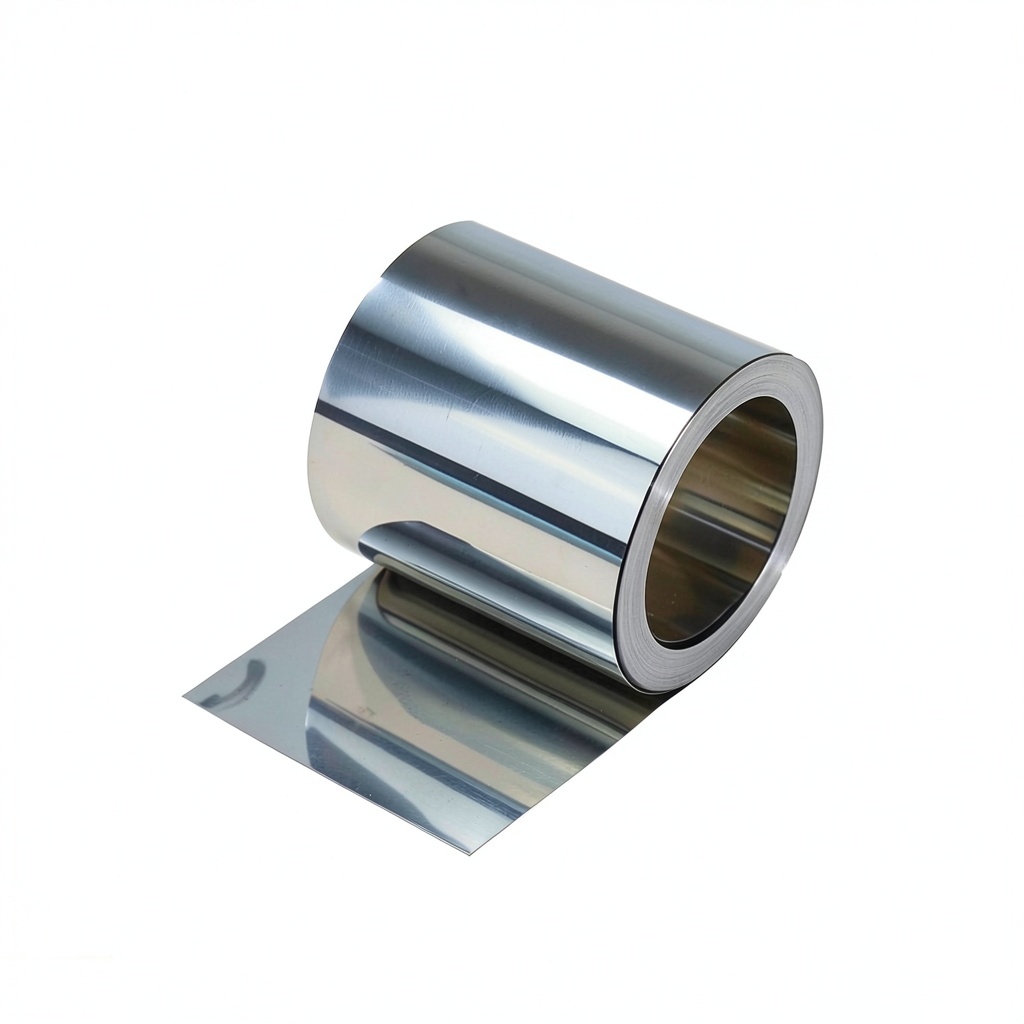
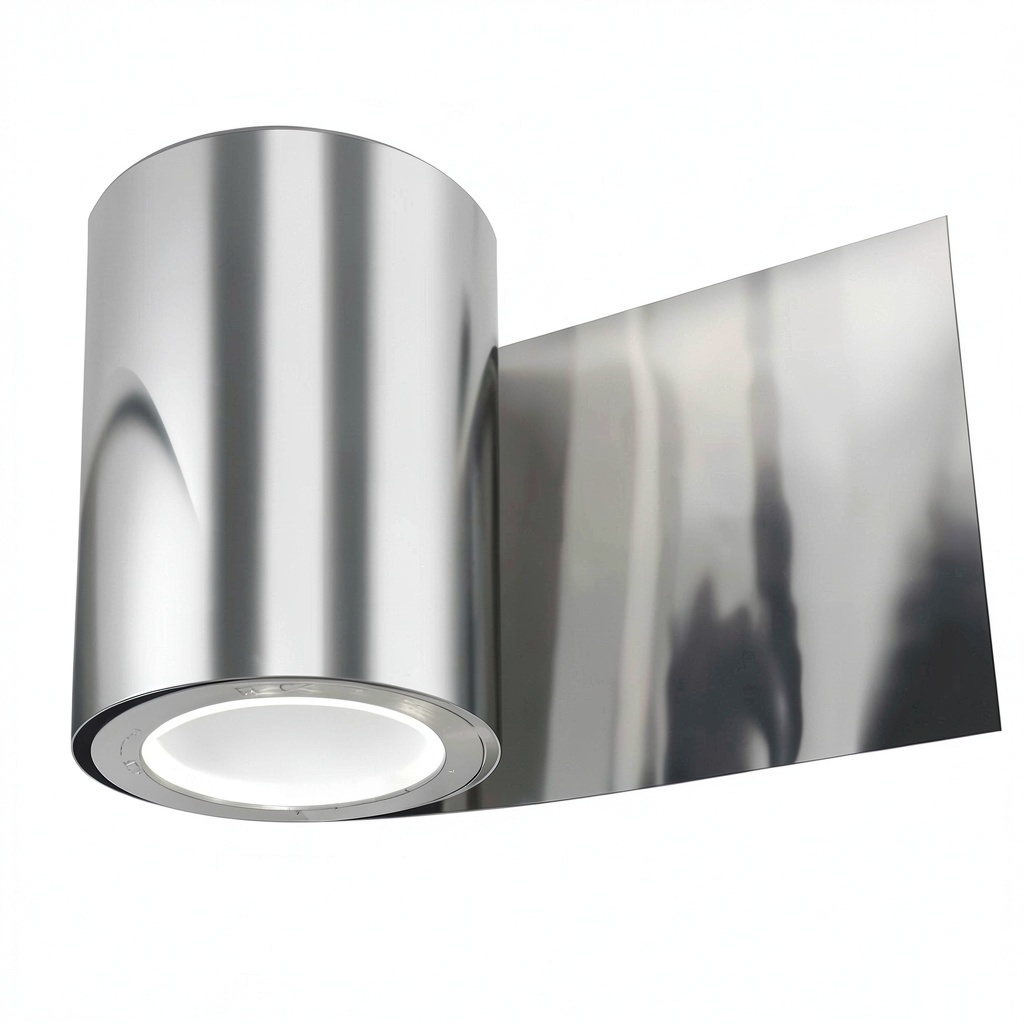
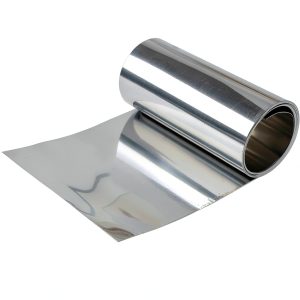
Customers can request additional surface treatments such as electroless nickel plating, passivation, or anti‑oxidation coatings to tailor the foil for specific process requirements. These optional layers are applied in a clean‑room environment to preserve the underlying metal’s integrity and to prevent contamination during downstream fabrication steps. For applications that demand precise dimensional control, the supplier offers tolerance verification down to ±0.005 mm, ensuring that the final product matches the engineering drawings without the need for post‑machining adjustments. The foil can also be supplied in coil form for high‑volume production lines, where continuous feeding reduces handling time and minimizes the risk of edge damage. By providing both sheet and coil configurations, the product adapts to diverse manufacturing workflows, from prototype assembly to large‑scale industrial deployment.
Nickel is a recyclable material, and the high‑purity foil can be reclaimed and re‑refined with minimal loss of performance, supporting sustainable manufacturing practices. The production facility adheres to ISO 14001 environmental management standards, implementing waste‑reduction programs and energy‑efficiency measures that lower the carbon footprint of each batch. By selecting this foil, engineers contribute to greener supply chains while benefiting from a material that offers long‑term stability and resistance to oxidation, even in harsh chemical environments. The foil’s inert surface also reduces the need for additional protective coatings, simplifying end‑of‑life disposal and recycling processes. This combination of performance and environmental responsibility aligns with the growing demand for eco‑friendly components in the electronics and renewable‑energy sectors.
The foil’s dimensional specifications are precisely documented: thickness tolerance ±0.005 mm, width tolerance ±0.1 mm, and length tolerance ±1 mm per meter, providing engineers with predictable material behavior during design and assembly. Surface cleanliness is verified to meet a particulate level of less than 10 particles per cm², which is critical for semiconductor processing where any contamination can affect yield. The material’s magnetic permeability is below 1.05, making it suitable for applications that require low magnetic interference, such as magnetic sensors and precision instrumentation. Thermal expansion coefficient is measured at 13 µm/m·°C, allowing designers to account for dimensional changes in high‑temperature environments without compromising mechanical integrity. Compatibility with standard cleaning agents, such as isopropyl alcohol and mild acids, ensures that the foil can be prepared for bonding or deposition steps without degrading its surface quality.
Ordering the nickel foil is streamlined through an online portal that allows selection of size, quantity, and optional surface finishes. After purchase, the product is packaged in anti‑static, moisture‑controlled containers to preserve its properties during transit. Technical support is available 24 hours a day to assist with material selection, handling guidelines, and integration advice, ensuring that customers receive the right solution for their projects from the first inquiry to post‑delivery follow‑up.
![[Product front view showing all components]](https://www.theatrehub.store/wp-content/uploads/2026/07/ab66d44168c54cdc9195dd959f58fe2a.jpg)
Usage
In research laboratories, the high‑purity nickel foil serves as an ideal substrate for thin‑film deposition, electrode fabrication, and catalyst testing. Its low resistivity and stable temperature coefficient enable precise control of electrical currents during experiments, while the smooth surface promotes uniform film growth without pinholes. Scientists frequently employ the foil in electrochemical cells to study battery materials, where its chemical inertness prevents unwanted reactions that could skew results. The material’s compatibility with standard cleaning protocols allows rapid preparation of the surface before each test, reducing downtime and improving reproducibility across multiple trials. Additionally, the foil can be laser‑etched to create micro‑patterns for sensor arrays, providing a versatile platform for prototyping advanced detection systems. Its dimensional stability ensures that patterned features retain their geometry even after repeated thermal cycling, making it suitable for long‑term reliability studies. The foil’s high reflectivity also makes it useful in optical experiments where controlled light scattering is required.
In the electronics manufacturing sector, the nickel foil is employed as a shielding layer, a grounding plane, and a component of multilayer printed circuit boards. Its excellent conductivity reduces voltage drops across power distribution networks, while the low magnetic permeability minimizes interference with sensitive analog circuits. The foil can be laminated onto flexible polymer substrates to create lightweight, durable interconnects for wearable devices and flexible displays. Moreover, its resistance to corrosion ensures reliable operation in humid environments, extending the lifespan of consumer electronics that are exposed to moisture. Manufacturers appreciate the ability to cut the foil to custom dimensions using CNC machines, which streamlines the assembly process and reduces material waste. The material’s uniform thickness also facilitates accurate impedance matching in high‑frequency circuits, improving signal integrity for RF applications. Its compatibility with solder paste and lead‑free processes further simplifies integration into modern assembly lines. Overall, the foil enhances product reliability.
In aerospace and automotive engineering, the nickel foil is valued for its combination of strength, ductility, and resistance to oxidation at elevated temperatures. It is commonly used as a protective liner in fuel tanks, as a heat‑shielding element in turbine components, and as a conductive path in avionics wiring. The material’s ability to maintain electrical performance after repeated thermal cycles makes it ideal for testing environments that simulate flight conditions. In chemical processing plants, the foil’s inert surface prevents catalytic reactions with aggressive reagents, allowing it to serve as a separator or electrode in electro‑lysis cells. Its thin profile enables designers to achieve weight savings without compromising structural integrity, contributing to overall efficiency improvements in high‑performance systems. The foil can also be bonded to composite materials using epoxy adhesives, creating hybrid structures that benefit from both metal conductivity and lightweight polymer strength. This versatility supports innovative design solutions.
Why Choose Us
FUTTFUTTFU has built a reputation for delivering high‑quality metal materials to industrial and scientific customers worldwide. The company operates under ISO 9001 and ISO 14001 certifications, ensuring that every batch of nickel foil meets stringent quality and environmental standards. Continuous investment in advanced rolling mills and analytical laboratories enables precise control over composition, thickness, and surface finish, guaranteeing that the product consistently achieves the advertised 99.99 % purity. Customers benefit from traceable production records, which simplify compliance with industry regulations such as aerospace AS9100 and automotive IATF 16949. The firm’s dedicated technical team provides pre‑sale consultation to help engineers select the optimal foil thickness and surface treatment for their specific applications. Post‑sale, a 24‑hour support line is available to address any issues related to material handling, cutting processes, or performance troubleshooting, ensuring minimal downtime for critical projects. Such comprehensive service reinforces confidence throughout the product lifecycle. Clients consistently report high satisfaction levels.
Each sheet undergoes rigorous testing that includes chemical composition analysis by inductively coupled plasma optical emission spectroscopy (ICP‑OES), surface roughness measurement with a profilometer, and electrical resistivity verification using a four‑point probe method. The results are documented in a detailed certificate of analysis (CoA) that accompanies every shipment, providing end users with the data needed for precise engineering calculations. In addition, random samples from each production lot are subjected to accelerated aging tests to confirm long‑term stability under thermal and corrosive stress. This systematic approach to quality assurance minimizes variability and assures that the foil performs reliably in demanding environments. The company also employs non‑destructive ultrasonic inspection to detect any internal defects that could compromise mechanical integrity, ensuring that each piece meets the highest standards before leaving the factory. All testing data is stored in a secure cloud system, allowing customers to retrieve historical performance records whenever needed.
Beyond the initial purchase, FUTTFUTTFU offers flexible after‑sales options, including on‑site technical assistance for large‑scale installations and a warranty program that covers material defects for up to twelve months. Clients can request custom cutting services, where the foil is precision‑sized to match specific design drawings, reducing the need for in‑house machining. The company maintains an extensive inventory of related nickel products, such as rods, wires, and powders, enabling a single supplier solution for projects that require multiple forms of the same material. This integrated approach simplifies procurement, reduces lead times, and fosters long‑term partnerships built on trust and performance. For customers operating in regulated industries, the firm can provide additional documentation such as material safety data sheets (MSDS) and compliance certificates, facilitating audit readiness and ensuring that all regulatory obligations are met without delay. Dedicated account managers coordinate these requests promptly. This ensures seamless integration into existing compliance frameworks.
Key Features
- 99.99 % nickel purity delivers exceptional electrical conductivity and low resistivity, ensuring stable performance in high‑precision electronic and scientific applications. The material also exhibits excellent corrosion resistance, extending component lifespan under harsh conditions.
- High smoothness with surface roughness below 0.2 µm provides a dense, uniform finish that improves solderability and heat dissipation in thermal management solutions. It also facilitates reliable adhesion of coatings and adhesives during assembly.
- Tensile strength ranging from 660 to 1100 N/mm² and elongation of 1‑10 % give the foil sufficient ductility to withstand mechanical handling without cracking. This robustness supports repeated bending and forming operations in manufacturing.
- Low temperature coefficient of resistance (~0.006 %/°C) ensures consistent electrical behavior across a wide temperature range, critical for aerospace and automotive electronics. It helps maintain circuit accuracy during rapid thermal cycling.
- Comprehensive after‑sales support includes 24‑hour technical assistance, custom cutting services, and detailed certification documents, providing peace of mind and streamlined integration for end users. Our team works closely with clients to resolve any performance issues quickly.
FAQ
What is the thickness tolerance of the nickel foil?
The foil is manufactured with a tight thickness tolerance of ±0.005 mm. This precision is verified using calibrated micrometers and laser profilometry during production. The tolerance ensures that the material meets exact engineering specifications, allowing designers to rely on consistent electrical and mechanical performance without the need for additional post‑processing adjustments.
How should the foil be stored to maintain its purity?
To preserve its high purity, the foil should be stored in a dry, temperature‑controlled environment, ideally between 15 °C and 25 °C with relative humidity below 40 %. It is supplied in anti‑static, moisture‑proof packaging that protects against oxidation and contamination. Avoid direct exposure to corrosive chemicals or abrasive materials, and handle the foil with clean, lint‑free gloves to prevent surface contamination.
Can the foil be cut to custom sizes?
Yes, custom cutting services are available. The foil can be precision‑cut to match specific dimensions using CNC laser or mechanical shearing equipment. Our technical team can work from your CAD drawings to produce sheets that fit directly into your assembly process, reducing waste and eliminating the need for in‑house machining. Turn‑around times are typically 3‑5 business days for standard orders.
What certifications and compliance documents are provided with the product?
Each shipment includes a Certificate of Analysis (CoA) detailing chemical composition, thickness, and surface roughness measurements. The product complies with REACH, RoHS, ISO 9001, and ISO 14001 standards. For regulated industries, we also supply Material Safety Data Sheets (MSDS) and any additional compliance certificates required for aerospace (AS9100) or automotive (IATF 16949) applications, ensuring you meet all audit and regulatory requirements.
Reviews
There are no reviews yet.